

Blog
Zoho CRM vs Freshsales: Which CRM Is Right for Indian SMBs?
Zoho CRM vs Freshsales compared for Indian SMBs: features, INR pricing, AI tools, ecosystem, and…
4 min read
Read article →
NetSuite’s inventory management is built for companies that have outgrown basic stock tracking. If your business manages inventory across multiple warehouses, needs lot or serial number tracking, or requires demand planning, NetSuite’s inventory module provides the depth that tools like Tally or Zoho Inventory do not.
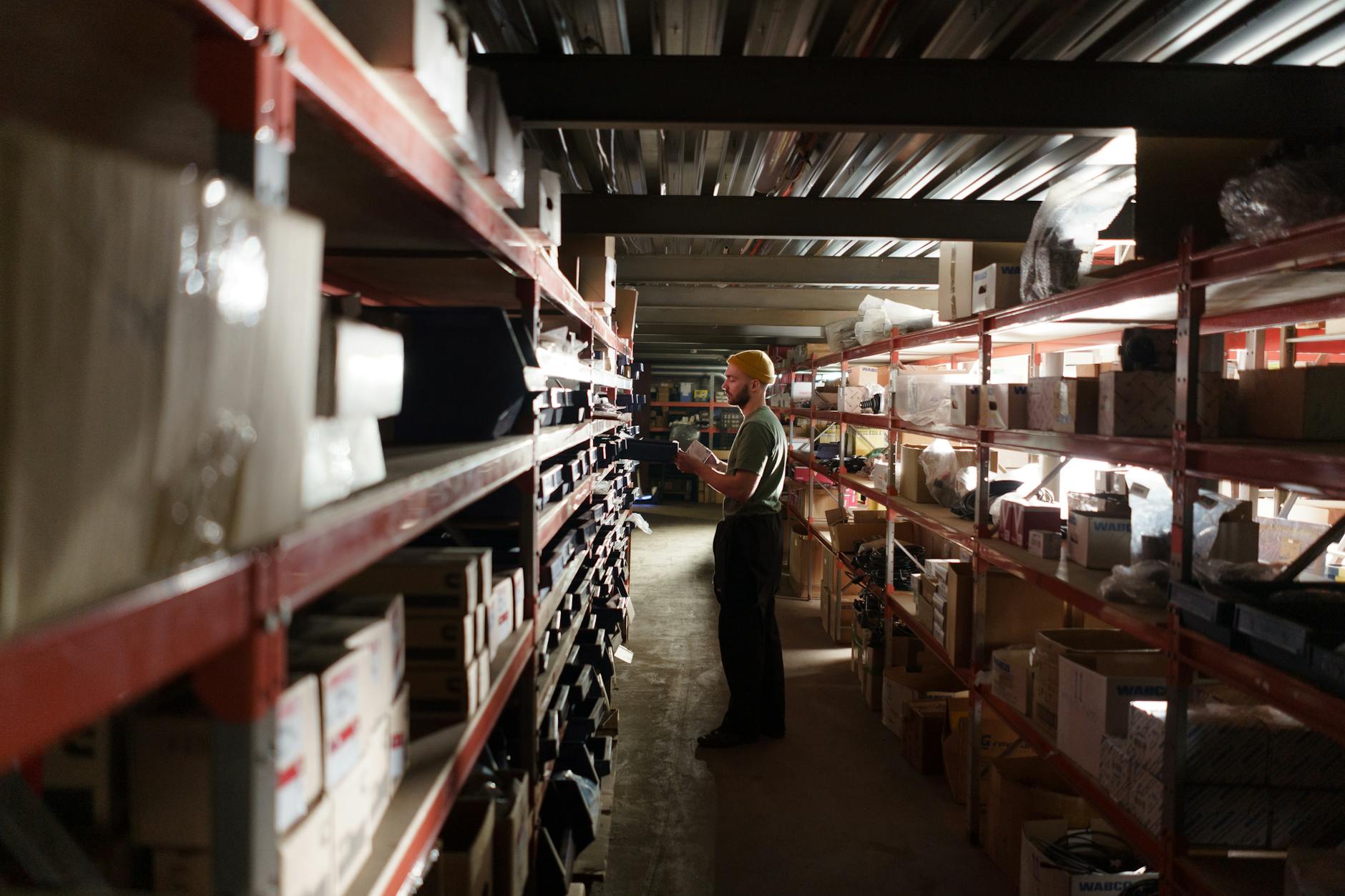
NetSuite tracks inventory at the location level. Each warehouse, store, or stock point is a location in the system. Stock levels, reorder points, and safety stock are configured per location. A company with warehouses in Mumbai, Delhi, and Bangalore sees real-time stock at each location on a single dashboard.
For businesses that need traceability (pharmaceuticals, food, electronics), NetSuite supports lot number and serial number tracking. When goods are received, assign a lot or serial number. When goods are sold, the system records which lot or serial was shipped. Full traceability from receipt to sale to customer.
Within a warehouse, NetSuite can track inventory at the bin level. Each bin is a physical location (Rack A, Shelf 3, Bin 12). Bin management is essential for warehouses with thousands of SKUs where pick accuracy depends on knowing exactly where each item is stored.

NetSuite calculates reorder points based on historical sales velocity, lead time, and safety stock. When stock falls below the reorder point, the system generates a purchase order suggestion. For seasonal businesses, adjust demand plans to account for peak periods (Diwali, fiscal year-end buying cycles).
NetSuite supports multiple costing methods: FIFO, LIFO, weighted average, and standard costing. Indian businesses typically use weighted average or FIFO. The costing method affects your COGS calculation and inventory valuation on the balance sheet. Choose the method that matches your accounting policy before data migration.
Transfer orders move stock from one location to another. For inter-state transfers in India, the transfer order triggers GST calculation (as a stock transfer is treated as supply under GST). NetSuite’s India Localisation handles the tax treatment automatically for inter-location transfers.
Zoho CRM vs Freshsales compared for Indian SMBs: features, INR pricing, AI tools, ecosystem, and…
Step-by-step guide to building a Zoho CRM sales pipeline for Indian SMBs. Set up stages,…
Learn how to integrate Zoho CRM with Stripe to sync payments, automate invoice creation, update…
Our team builds systems that actually work. No fluff, just honest architecture and clean implementation.