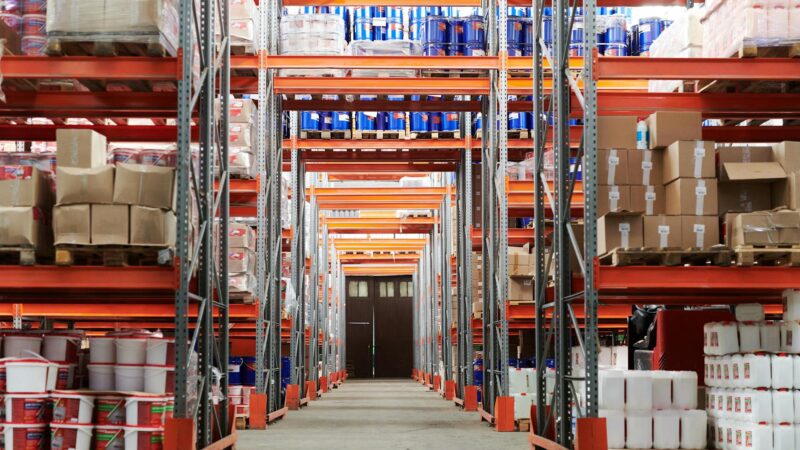
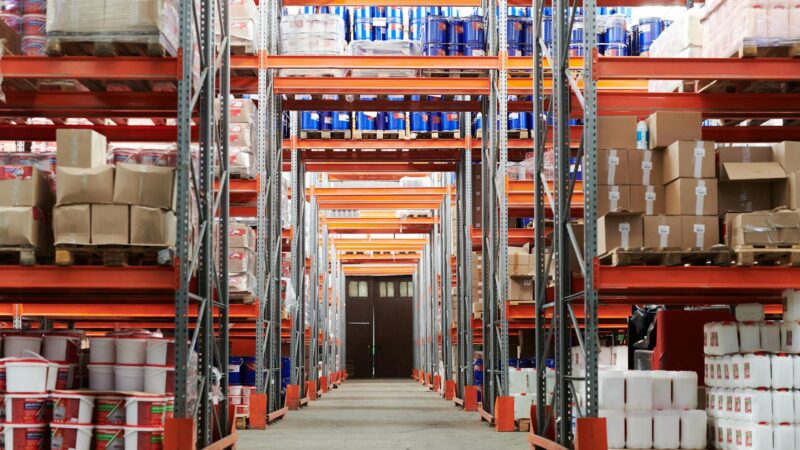
Manual LR tracking caused invoice disputes and 45-day payment cycles.
Solution
Zoho Books and Creator automated LR matching, billing, and vendor payouts.
Tools
Zoho BooksZoho CreatorZoho Analytics
Case Study · Surface Freight
How a Surface Freight Aggregator Cut Invoice Disputes by 71%
Industry
Surface Freight Aggregation
Revenue Band
₹20–40 Cr annual turnover
Fleet Size
180–220 trucks, 120 staff
Tools Deployed
Zoho Books, Creator, Analytics
Managing freight across hundreds of trucks means handling hundreds of lorry receipts every week. When those receipts are tracked in spreadsheets and reconciled manually against vendor invoices, even a small volume of mismatches compounds into delayed payments, strained carrier relationships, and cash locked in dispute cycles. This aggregator engaged our Zoho services team to automate the reconciliation workflow end to end.
The Problem
Unmatched LR Documents
Lorry receipts arrived in multiple formats from dozens of carriers. Staff matched them to purchase orders by hand, producing a mismatch rate that consumed two full working days per billing cycle.
45-Day Payment Cycles
Disputed invoices sat unresolved because there was no audit trail linking delivery confirmation, LR numbers, and billed amounts. Carriers withheld future capacity until outstanding bills were settled.
Invisible Detention Charges
Trucks waiting beyond agreed loading windows incurred detention fees that were neither tracked nor billed to clients on time. The leakage was discovered only during annual audits.
The Solution Stack
Zoho BooksAccounts Payable
Automated Vendor Payouts and Invoice Matching
Purchase orders raised against each confirmed LR number before carrier invoices arrive.
A three-way match rule checks PO quantity, delivery confirmation, and billed amount before approving payment.
Mismatched invoices flagged automatically and routed to the operations manager queue.
Payment runs scheduled weekly instead of ad-hoc, cutting average payment cycle from 45 days to 14 days.
Two-week parallel run with legacy spreadsheets, then full cutover with finance team sign-off.
Results
71%
Drop in Unreconciled Freight Invoices
3.2x
Faster Lorry Receipt Processing
₹18L
Annual Detention Charge Leakage Plugged
Key Operational KPIs — Before vs. After
Unreconciled Invoice Count — Monthly Trend
Beyond the headline numbers, the finance team’s workload composition changed materially. Staff who spent the majority of their time chasing mismatches now manage only the flagged exception queue.
The Core Insight
Freight finance disputes are almost never about bad faith. They happen because the data that proves delivery occurred lives in a different system from the data that authorises payment. Connecting those systems with an automated match rule eliminates the gap where disputes grow.
Frequently Asked Questions
Does Zoho Creator handle offline LR entry for yard staff without internet access?
Yes. The Creator mobile app can be configured to store form submissions locally and sync when connectivity is restored. The sync happens automatically once the device reconnects, and the detention timer is calculated from the logged timestamp rather than the sync time.
How does the three-way match work in Zoho Books for freight invoices?
A purchase order is raised in Books against each confirmed LR number before the carrier submits an invoice. When the invoice arrives, Books compares the billed amount and quantity against the PO and the delivery confirmation record. If all three align within the configured tolerance, the invoice moves to the payment queue automatically.
Can detention charges be billed directly to clients from the same setup?
Yes. Once a detention record is generated in Creator, a workflow posts it to Books as a line item on the relevant client’s account.
How long does implementation typically take for a freight aggregator of this size?
For a fleet of 180 to 220 trucks with 30 to 40 carrier partners, a nine-week timeline is typical when carrier contract data is available from the start.