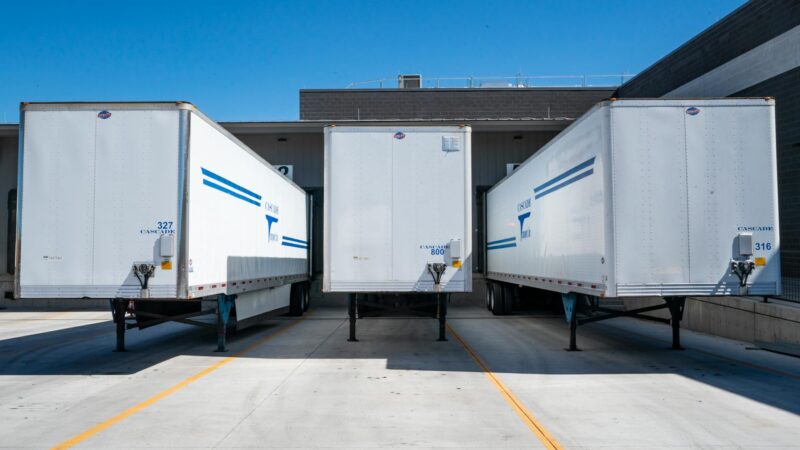
Pharma Cold Chain — Secondary Packaging
How a Pharma Cold Chain Re-Packer Cut Batch Errors by 91% with Zoho
Revenue Band
₹18–25 Cr ARR
Regulatory Scope
CDSCO GDP Compliant
The Problem
No Lot-Level Visibility
Batch numbers and expiry dates were recorded in disconnected spreadsheets. Warehouse staff had no real-time view of which lots were approaching expiry, so short-dated stock routinely slipped through to dispatch. Zoho Inventory lot tracking was the missing layer.
Recurring GDP Audit Gaps
GDP guidelines require documented deviation records for every temperature excursion and re-pack event. Manual logbooks were incomplete, leading to audit observations and corrective action notices from pharma brand partners.
Write-Off Losses Accumulating
Without FEFO (first-expiry, first-out) enforcement, expired cold-chain stock was discovered only during physical counts. The resulting write-offs eroded already thin re-packing margins and created GST reconciliation headaches.
The Solution Stack
Zoho Inventory
Lot & Expiry Tracking
FEFO-Enforced Batch Control
- Every inbound receipt assigned a lot number, manufacture date, and expiry date at GRN scan
- System enforces FEFO picking automatically — shortest-dated lots allocated first with no manual override permitted without supervisor PIN
- Configurable alerts at 90-, 60-, and 30-day expiry thresholds pushed to warehouse team lead via email and in-app notification
- Lot-level stock ledger gives a single source of truth across three cold rooms — see how Zoho Inventory manages stock end to end
Zoho Creator
Deviation Log App
GDP-Ready Deviation Records
- Zoho Creator low-code app replaces paper logbooks for temperature excursion events and re-pack deviations
- Each record captures timestamp, lot number, excursion duration, corrective action taken, and approver sign-off with digital audit trail
- Pre-built GDP audit report exports all deviation records for a date range as a formatted PDF in under 90 seconds
- Linked to Inventory lot numbers so auditors can cross-reference stock disposition against each deviation event
Zoho Books
Inventory Accounting
Real-Time Write-Off Accounting
- Inventory adjustments for expired or damaged lots push automatically to Zoho Books inventory accounting as stock write-off journal entries with GST input credit reversal
- Monthly expiry-risk valuation report flags lots expiring within 60 days alongside their landed cost, enabling proactive repricing or return negotiations
- Reconciled purchase bills against GRN lot data to catch short-supply and pricing discrepancies before payment runs
Before vs After
| Area |
Before |
After |
| Batch traceability |
Spreadsheets updated manually, often days late |
Real-time lot ledger updated at every scan event |
| Expiry alerting |
No system alerts; discovered during monthly count |
Automated alerts at 90 / 60 / 30 days to threshold |
| Picking sequence |
FEFO dependent on staff memory and label checks |
System-enforced FEFO, supervisor PIN required to override |
| GDP deviation records |
Paper logbooks, incomplete entries, audit gaps |
Digital records with mandatory fields, exportable in 90 sec |
| Expired-stock write-offs |
₹11.2L+ per year discovered after the fact |
Near-zero write-offs; at-risk lots flagged and acted on early |
| Audit preparation time |
2–3 days of manual document collation per audit |
Audit pack generated same day, under 2 hours |
| GST input reversal accuracy |
Estimated in bulk, prone to under- or over-reversal |
Lot-level cost pushes exact reversal amount to Books automatically |
Implementation Phases
1
Discovery and Data Architecture Weeks 1–2
- Audited existing spreadsheet structure across three cold-room locations
- Mapped all SKUs, lot number formats, and expiry date conventions to Zoho Inventory item master
- Defined FEFO enforcement rules and supervisor override policy with operations head
- Captured GDP deviation log requirements against CDSCO Schedule M guidelines
2
Zoho Inventory Configuration and Migration Weeks 3–7
- Enabled lot tracking and expiry date capture on all temperature-sensitive item groups
- Configured three warehouse locations with bin-level storage tracking
- Migrated 18 months of historical lot data for open-stock reconciliation
- Set up expiry alert automation workflows and tested FEFO picking sequences end to end
3
Creator Deviation Log App Build Weeks 8–11
- Built mobile-first deviation logging form with mandatory fields, lot lookup, and digital sign-off
- Integrated Creator app with Inventory lot records via API for automatic cross-referencing
- Developed GDP audit report template with date-range filter and PDF export
- Ran parallel testing with quality assurance team against three prior audit observation types
4
Books Integration, Training and Go-Live Weeks 12–14
- Connected Inventory adjustments to Books write-off accounts with GST reversal automation
- Delivered role-based training for warehouse staff, quality team, and finance on respective workflows
- Ran two-week parallel operation period with phased cutover cold room by cold room
- Handed over admin documentation and conducted post-go-live hyper-care review at day 30 — browse other Zoho implementation case studies for more examples
Results
91%
Reduction in batch traceability errors
3.5×
Faster GDP audit documentation
₹11.2L
Annual expired-stock write-off avoided
Key Operational KPIs — Before vs After
The Core Insight
Cold chain re-packers operate on thin margins where a single undetected expired batch can wipe out a month of profit and trigger a GDP corrective action. The turning point was not buying more cold storage; it was making lot-level data visible in real time. Once every GRN scan created a traceable lot record and the system enforced FEFO automatically, the downstream problems — write-offs, audit gaps, GST reconciliation errors — resolved themselves without any additional headcount. This operational discipline is equally critical for Zoho for manufacturing operations across regulated industries.
Frequently Asked Questions
Does Zoho Inventory support FEFO picking natively for pharma cold chain operations?
Yes. Zoho Inventory has a built-in lot tracking module that records expiry dates at the item level and can enforce FEFO fulfillment sequences automatically. For pharma re-packers, this means the system allocates the shortest-dated lot to each outbound order without staff needing to calculate or remember expiry sequences manually. Supervisor-level PIN overrides can be configured for legitimate exceptions while maintaining a full audit trail.
Can Zoho Creator replace a paper-based GDP deviation logbook for CDSCO compliance?
Zoho Creator can be configured to capture all fields required under GDP deviation documentation, including timestamp, lot reference, excursion parameters, corrective action, and digital approver sign-off. The records are stored with a tamper-evident audit trail and can be exported as formatted PDFs for auditor review. Whether this satisfies a specific regulatory body’s requirements depends on the auditor’s interpretation; implementation partners typically validate the format against the client’s existing CDSCO audit history before go-live.
How does Zoho Books handle GST input tax credit reversal when expired stock is written off?
When an inventory adjustment is posted in Zoho Inventory for an expired or damaged lot, the landed cost of that lot flows to Zoho Books as a stock write-off journal entry. Books can be configured to automatically create the corresponding GST input credit reversal entry, calculated on the original purchase value of the lot. This eliminates the common problem of bulk estimated reversals during GST return filing and produces a lot-level reversal record that matches the purchase invoice.
How long does it typically take to migrate historical batch data and go live on Zoho Inventory?
For a secondary packager operating two to four cold rooms with an established item master, a full lot-tracking migration and go-live typically takes 12 to 16 weeks. The primary variable is the quality of historical lot data in existing spreadsheets. Operations with consistent lot number formats and complete expiry date records can move faster; those requiring retrospective data cleaning need additional time in the discovery phase. A phased cold-room cutover approach, as used in this engagement, reduces operational risk significantly compared to a single-day switchover.