

Blog
Zoho CRM Automation: Workflows, Blueprints and Macros Explained
A practical guide to Zoho CRM automation: how workflows, blueprints, macros, and scoring rules work…
8 min read
Read article →
Zoho Payroll for Indian businesses in India means Zoho Payroll India setup guide contributions, ESI deductions, Professional Tax, TDS on salary, and compliance with multiple statutory bodies. Zoho Payroll handles all of these within a single payroll run, reducing calculation errors and missed filings.

| Component | Employee | Employer | Authority |
|---|---|---|---|
| EPF | 12% of basic | 12% of basic | EPFO |
| ESI | 0.75% of gross | 3.25% of gross | ESIC |
| Professional Tax | Varies by state | N/A | State govt |
| TDS on Salary | As per slab | N/A | Income Tax |
Enter your PF establishment code in Settings > Statutory Components > PF. Choose whether PF is on Rs. 15,000 ceiling or actual basic. Zoho Payroll computes both employee and employer shares on every payroll run.
ESI applies to employees with gross up to Rs. 21,000/month. Enter your ESIC code. Zoho Payroll auto-discontinues ESI when salary crosses the tZoho People HR and attendance managementeshold.
Pre-configured slabs for all states that levy PT (Maharashtra, Karnataka, Tamil Nadu, etc.). Set your state and Zoho Payroll applies the correct slab per employee.
Employees submit investment declarations at the start of the financial year. Zoho Payroll distributes projected tax across months. Update with actual proofs in January-February and the system recalculates remaining TDS.
After each payroll run, Zoho Payroll generates challan reports for PF (due 15th), ESI (due 15th), and TDS (due 7th). It also generates ECR files for direct upload to the EPFO Unified Portal.
Payroll data connects to Zoho Books for statutory payment challan entry and reconciliation. The Zoho Books complete setup guide for Indian businesses covers the chart of accounts structure that works alongside Zoho Payroll for clean P&L reporting.
Statutory deductions are mandatory for most Indian employers, and configuring them correctly in Zoho Payroll prevents short-deductions, penalties, and employee disputes at year-end. Here is how to set up each component.
Provident Fund (PF): The standard PF deduction rate is 12% of basic salary from the employee, matched by 12% from the employer (though the employer’s contribution is split across EPF, EPS, and EDLI). In Zoho Payroll, go to Settings > Statutory Compliance > Provident Fund and enter your EPFO establishment code. Zoho Payroll calculates deductions automatically and generates the ECR (Electronic Challan cum Return) file for monthly filing. For employees whose basic salary exceeds Rs 15,000 per month, PF contribution is calculated on the wage ceiling of Rs 15,000 unless you opt to contribute on actual salary.
ESI (Employees’ State Insurance): ESI applies to employees earning up to Rs 21,000 per month (gross). The employee contributes 0.75% of gross wages and the employer contributes 3.25%. In Zoho Payroll, ESI is enabled per employee based on their gross salary. The system automatically stops ESI deductions if an employee’s salary crosses the threshold during the year, following ESIC rules. Your ESIC code is entered once in statutory settings and applies across all eligible employees.
Professional Tax: Professional tax rates and applicability vary by state. Maharashtra, Karnataka, Tamil Nadu, West Bengal, and Telangana are among the states that levy PT. In Zoho Payroll, go to Settings > Professional Tax, select your state, and the system applies the slab-rate deductions automatically. For employees in states without PT, no deduction is made.
Zoho Payroll generates payslips automatically once payroll is processed for the month. Payslips show gross salary, all deductions (PF, ESI, PT, TDS), and net take-home pay. Employees can access their payslips through the Zoho Payroll self-service portal or the Zoho People mobile app if your organisation also uses Zoho People for HR.
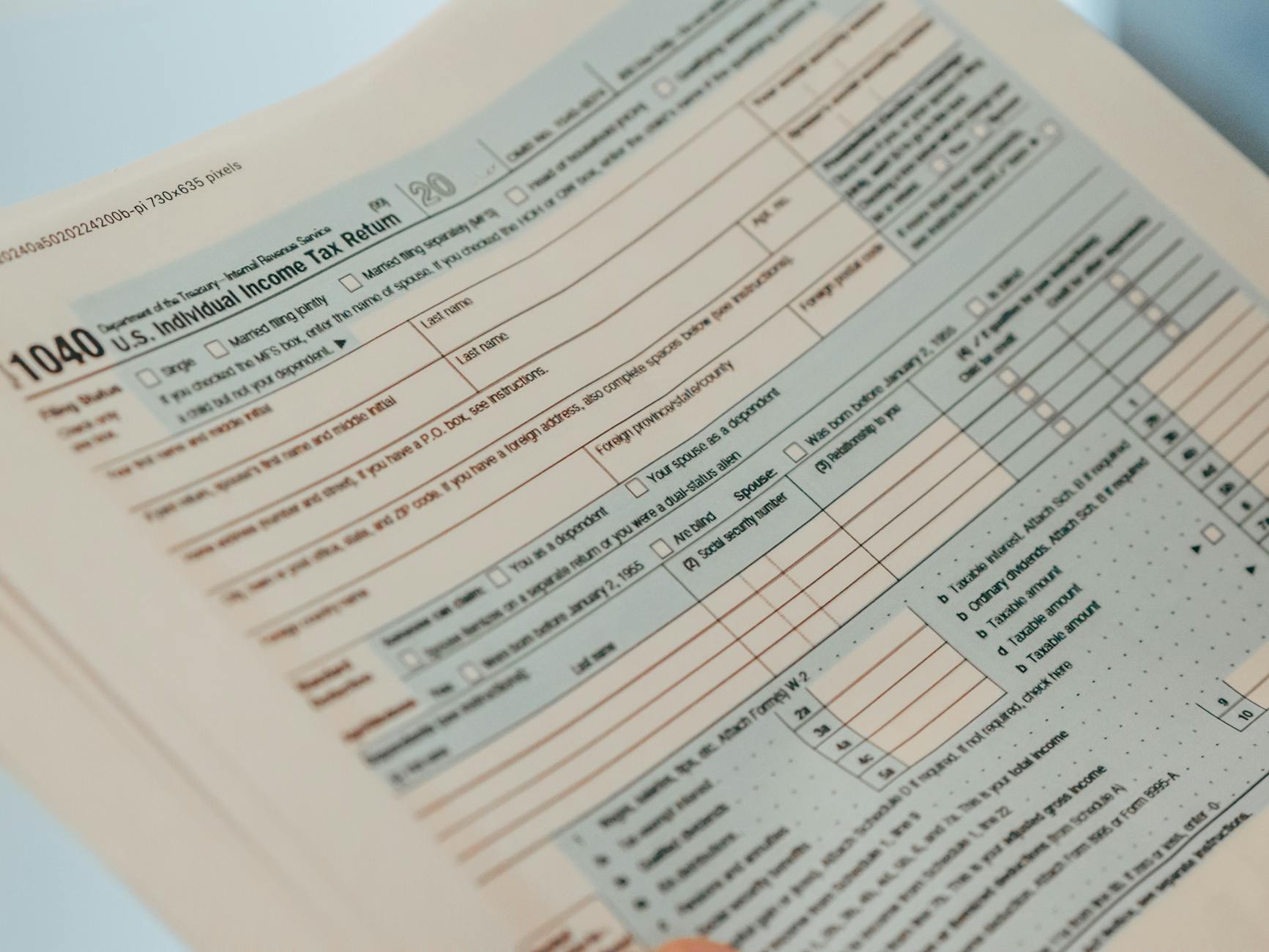
TDS on salary (Section 192) is calculated by Zoho Payroll based on the employee’s investment declarations. At the start of each financial year (April), employees submit their investment proofs (HRA, LTA, 80C, 80D, etc.) through the employee portal. Zoho Payroll projects their annual income, applies the applicable tax slab, and distributes the TDS liability evenly across the remaining months of the year.
At year-end, employees submit actual investment proofs. Zoho Payroll recalculates TDS based on actual investments and adjusts the final 2 to 3 months’ deductions accordingly. Form 16 is generated by Zoho Payroll at year-end for each employee, which they need for their individual ITR filing.
Once payroll is configured, the monthly compliance routine in Zoho Payroll involves four steps: run payroll (confirm attendance and variable pay), review and approve payroll, generate and pay statutory challans (PF, ESI, PT, TDS), and file returns (ECR for PF, ESI return, TDS quarterly return). Zoho Payroll generates the challan amounts and the ECR file. Payment and filing still happen on the respective government portals (EPFO unified portal, ESIC portal, TRACES), but the data comes from Zoho Payroll.
Zoho Payroll is designed for full-time employees on the payroll. Contract workers paid via purchase orders or service agreements are typically handled through Zoho Books as vendor payments with TDS under Section 194C or 194J. For contract employees who are on fixed-term employment contracts, they can be added to Zoho Payroll as regular employees with a defined tenure.
Yes. Zoho Payroll supports multi-state payroll. Each employee is assigned a work location, and the professional tax rate for that state applies to their salary. If your company has offices in Maharashtra and Karnataka, employees at each location will have the correct state-specific PT deducted automatically.
When you update an employee’s salary in Zoho Payroll, you set the effective date for the revision. Zoho Payroll recalculates PF, ESI (if applicable), and TDS projections from that date forward. If the revision is backdated, Zoho Payroll calculates the arrears due and can pay them as a separate arrears component in the next payroll run.
A practical guide to Zoho CRM automation: how workflows, blueprints, macros, and scoring rules work…

Zoho vs Microsoft Dynamics 365 for Indian businesses: honest comparison of features, pricing, implementation complexity,…

On this page This zoho projects management guide is written for agencies and IT teams…
Our team builds systems that actually work. No fluff, just honest architecture and clean implementation.